From Flat to Fabulous: My Favorite Lessons from “The Megabook of Fluency”
Reading as performance — not pressure
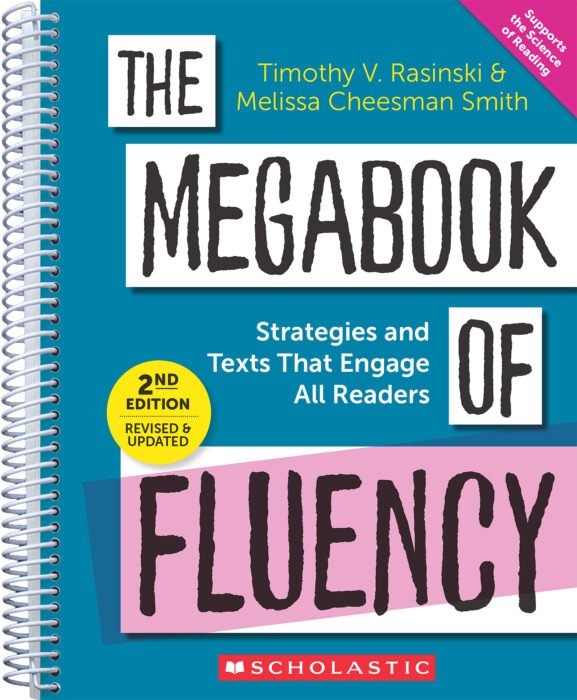
When my students start acting like readers , literally , everything changes. They go from mumbling to projecting, from monotone to expressive, from reluctant to proud. That’s the magic in The Megabook of Fluency.
Here are five of my classroom favorites that make even the most hesitant readers ask, “Can we do that again?”
1. Match the Expression
Have students take a simple line, “I can’t believe it!” and read it three ways: bored, surprised, annoyed. Suddenly, they understand that tone drives meaning.
🧩 Pro tip: Use famous quotes or emotional story moments and let the class guess the feeling. It’s mini-theater with maximum payoff.
2. Duet Reading
Two readers, one rhythm. Partners take turns reading sections of a passage, rehearsing three times for accuracy, phrasing, and then expression.
🎯 Why it works: Students support each other while internalizing pacing and prosody.
Perfect for reading intervention blocks — short, structured, and confidence-boosting.
3. Echo Reading
“I do, we do, you do” in action. You model expression; they echo it back.
🎶 Ideal for early readers and multilingual learners — they mimic fluent phrasing in a safe, supported setting.
Bonus idea: Record the group reading and let them hear their collective growth over time.
4. Short Readers’ Theater
Forget elaborate productions. A 1-page script, a few assigned roles, and a bit of rehearsal are all you need.
🎬 Students read for emotion, not memory, and the repeated practice improves accuracy, phrasing, and comprehension.
💡 Middle-grade twist: Turn science or history paragraphs into “expert panels” or “debates.”
5. Famous Lines Challenge
Pull school-safe movie or book quotes (“May the Force be with you”) and have students deliver them in different tones — urgent, sarcastic, mysterious.
😂 They’ll laugh, but they’ll also own how expression shapes meaning.
Great Friday warm-up!
Why these routines matter
Each activity turns fluency into connection. Students begin to realize reading is communication — emotion, intent, and understanding shared aloud. That shift changes everything.
If you want to see reading confidence grow before your eyes, try one of these routines tomorrow. Your students will thank you, and you’ll rediscover the joy of teaching reading with heart and rhythm.