Rethinking “What We’ve Always Done”: Reflections on Smart Teaching, Stronger Learning
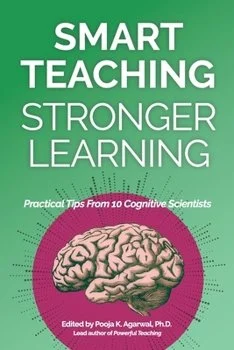
Every so often, a professional book actually grabs my attention from start to finish. Smart Teaching, Stronger Learning did just that. It’s short, readable, and packed with clear, research-based ideas about how students really learn—ten chapters’ worth, each one rooted in cognitive science rather than classroom folklore.
A Fast Read with Lasting Impact
This book offers quick, practical insights into how learning works, and what teachers can do to make it stick. It’s the kind of book you can finish in an afternoon and immediately apply on Monday morning.
Too often, we teach the way we were taught or the way it’s “always been done.” The problem is that many of those routines don’t align with how the brain actually learns. This book calls that out without condescension, inviting teachers to rethink practices that feel comfortable but don’t necessarily work.
Standout Chapters
Three chapters stood out to me:
Metacognition: Students can’t become independent learners until they understand how they learn. This chapter lays out simple strategies to help them think about their thinking, planning, monitoring, and evaluating their own learning.
Bringing It Together: This section emphasizes integration over isolation. Students retain more when they connect new information to existing knowledge, instead of memorizing facts in isolation.
Neuromyths Debunked: My favorite chapter. It dismantles some of education’s greatest hits: learning styles, left-brain/right-brain teaching, and other myths that persist despite decades of evidence.
Why It Matters
The best part of Smart Teaching, Stronger Learning is that it doesn’t shame teachers for doing what’s familiar. It simply reminds us that effective teaching is both an art and a science. We all need to be grounding our practice in what research tells us about the brain and learning.
It’s the kind of professional read that helps us stop guessing and start teaching smarter.